


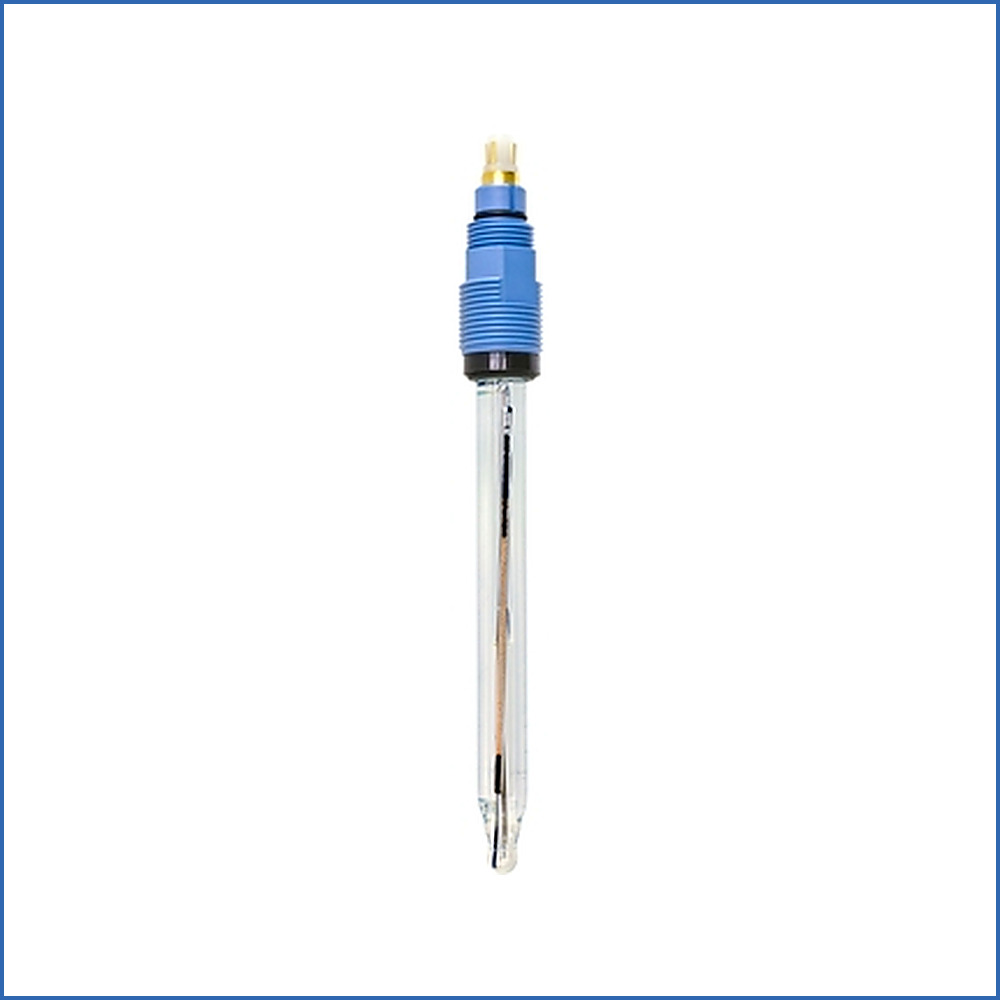
Endress Hauser Analog pH sensor Ceragel CPS71 Orbipore CPS91
The Ceragel CPS71 and Orbipore CPS91 are analog pH sensors from Endress+Hauser, each engineered for distinct challenging application profiles. The CPS71 is the specialist for sterile and hygienic applications with poison-resistant gel technology, while the CPS91 is designed for heavily contaminated media with high suspended solids content, featuring an open aperture that prevents fouling.
Key Features and Benefits
-
Application-Specific Design: The CPS71 is dedicated to hygienic and sterile applications including fermenters, biotechnology, life sciences, and food industry processes. It is also suitable for processes with quickly changing pH values and high proportions of electrode poisons such as H2S. The CPS91 is the specialist for fibrous media, dispersions, precipitation reactions, and emulsions, particularly in chemical processes, pulp and paper industry, and flue gas cleaning.
-
Poison-Resistant Technology (CPS71): The advanced gel technology with ceramic diaphragm and ion trap resists reference poisoning, guaranteeing stable measurement even in flowing media or low conductivity. The sensor is sterilizable, autoclavable up to 140°C, and CIP/SIP compatible, maintaining high accuracy.
-
Open Aperture Design (CPS91): The open aperture prevents fouling in heavily soiled media, ensuring reliable measurement under extreme process conditions. The stabilized gel filling provides low maintenance and long service life, and the sensor is not affected by fluctuations in pressure and temperature.
-
Biocompatibility and Safety (CPS71): The sensor features certified biocompatibility with no cytotoxicity, is free from animal-based materials and acrylamide, and is non-toxic, ensuring highest product safety.
-
Hazardous Area Approvals: Both sensors hold ATEX, FM, and CSA approvals for use in hazardous areas.
Technical Specifications (at a Glance)
| Specification | CPS71 (Ceragel) | CPS91 (Orbipore) |
|---|---|---|
| Application | Hygienic/sterile, fermenters, biotech, food | Fibrous/contaminated media, chemical, pulp & paper |
| Measuring Range | pH 0–14 | pH 0–14 |
| Process Temperature | –15 to +140 °C | Max. +110 °C |
| Process Pressure | Max. 13 bar | Max. 10 bar |
| Measuring Principle | Ceramic diaphragm, ion trap | Open aperture, double gel reference |
| Material | Glass / ceramic | Glass |
| Dimensions | Ø 12 mm; shaft lengths 120/225/360/425 mm | Ø 12 mm; shaft lengths 120/225/360/425 mm |
| Temperature Sensor | Optional Pt100 or Pt1000 | Optional Pt100 or Pt1000 |
| Connection | TOP68 connection head | TOP68 plug-in head |
| Ingress Protection | IP68 | IP68 |
| Certifications | ATEX, FM, CSA; 3A, biocompatibility | ATEX, FM, CSA |
Endress Hauser Analog pH sensor Ceragel CPS71 Orbipore CPS91
The Ceragel CPS71 and Orbipore CPS91 are analog compact pH sensors from Endress+Hauser, designed for potentiometric pH measurement in demanding industrial applications.
The Ceragel CPS71 is the analog specialist for pH measurement in sterile and hygienic applications. Its state-of-the-art gel is poison-resistant and guarantees stable measurement even in flowing media or low conductivity. The sensor is designed for hygienic and sterile applications including fermenters, biotechnology, life sciences, and the food industry, as well as process technology and monitoring of processes with quickly changing pH values and high proportions of electrode poisons such as H2S.
The CPS71 features an advanced gel technology with ceramic diaphragm and ion trap. The ion trap prevents poisoning of the reference, ensuring long sensor lifetime even in demanding media. The sensor is sterilizable and autoclavable up to 140°C, CIP/SIP compatible, and maintains high accuracy throughout its service life. It resists strong acids and bases and high organic loads, and features certified biocompatibility with no cytotoxicity. The sensor is free from animal-based materials and acrylamide, ensuring highest product safety. A version with pressurized reference (6 bar) is available specifically for fermentation processes, and an upside-down installation version is also offered.
The CPS71 has a measuring range of pH 0–14, with process temperature from –15 to +140°C and process pressure up to 13 bar. The sensor has a diameter of 12 mm and is available in shaft lengths of 120, 225, 360, and 425 mm. It connects via a TOP68 connection head and is rated IP68 for ingress protection. Optional integrated Pt100 or Pt1000 temperature sensors are available. The sensor holds ATEX, FM, and CSA approvals for hazardous areas, along with 3A and biocompatibility certifications.
The Orbipore CPS91 is the analog specialist for pH measurement in fibrous media or media with a high content of suspended solids such as dispersions, precipitation reactions, or emulsions. The open aperture prevents fouling and guarantees the most reliable measurement under extreme process conditions. The sensor is suitable for chemical processes, pulp and paper industry, flue gas cleaning, and contaminated media applications.
The CPS91 features an open aperture design with double gel reference. The stabilized gel filling provides low maintenance and long service life, and the sensor is not affected by fluctuations in pressure and temperature. The measuring principle is designed for media with a minimum conductivity greater than 500 µS/cm. The sensor delivers rapid response and reliable performance even in heavily soiled media.
The CPS91 has a measuring range of pH 0–14, with a maximum process temperature of 110°C and maximum process pressure of 10 bar. The sensor has a diameter of 12 mm and is available in shaft lengths of 120, 225, 360, and 425 mm. It connects via a TOP68 plug-in head and is rated IP68 for ingress protection. Optional integrated Pt100 or Pt1000 temperature sensors are available. The sensor holds ATEX, FM, and CSA approvals for hazardous areas.
The Ceragel CPS71 and Orbipore CPS91 deliver reliable, application-specific analog pH measurement, combining durable construction, long-term stability, and resistance to the specific challenges of their respective process environments.